

Get to know the Baháʼí Faith
Who are the Everett Baháʼís?
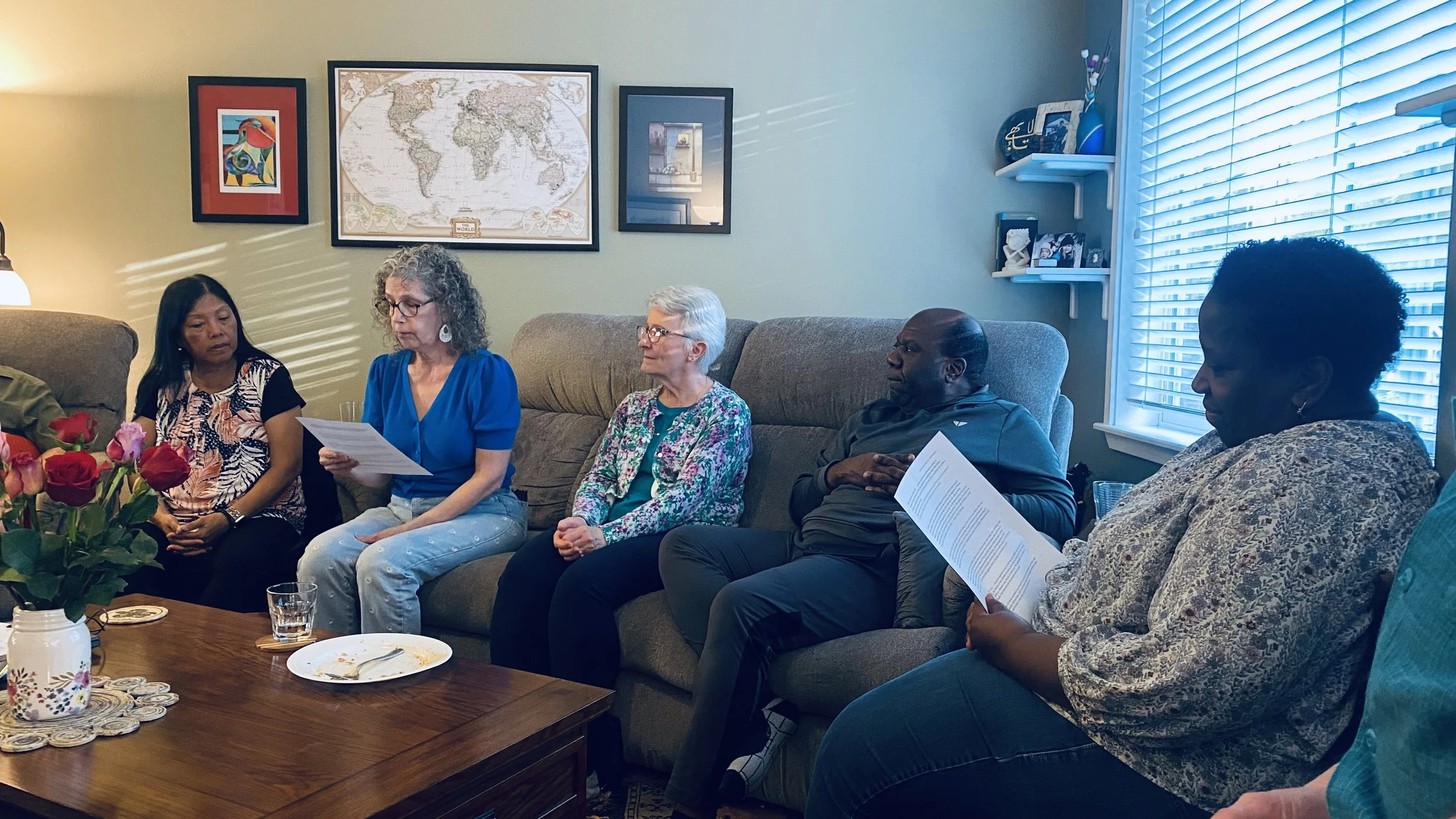
The Bahá'í Faith has been an active part of the Everett community for over a century. Bahá'ís believe that a just and peaceful global society is not only possible - it is inevitable. As such, Bahá'ís in Everett and around the world strive to give expression to the oneness of humanity, a core principle of their faith, by seeking to eliminate racial prejudice, advance the equality of women and men, and build a vibrant spiritual community reflecting the human family in all its diversity.


Basic Teachings of the Baháʼí Faith
One God.
Called by different names throughout the ages, the eternal God, the one Creator of the universe. God is limitless, all-knowing, all-powerful, all-merciful. God is one. While the reality of God is beyond human understanding, we may find expressions of God’s attributes in every created thing. All the best human qualities are reflections of God’s divine attributes..
One Human Family.
Beyond all differences of race, culture, class or ethnicity, regardless of differences in customs, opinions, or temperaments, every individual is a member of one gloriously diverse human family. Each unique individual has a role to play in carrying forward an ever-advancing material and spiritual civilization.
All Religions Are One.
Humanity’s spiritual, intellectual and moral capacities have been cultivated through the successive teachings of the Founders of the world’s religions—the Manifestations of God. Among Them are Krishna, Abraham, Moses, Zoroaster, Buddha, Jesus Christ, Muhammad and, most recently, the Báb and Bahá’u’lláh. Each religion originates with God and is suited to the age and place in which it is revealed. In essence, the religion of God is one and whose progressive revelation is unfolding.
Principles of the Baháʼí Faith
• The oneness of humanity
• Independent investigation of truth
• Elimination of prejudice
• Racial and social justice
• The nobility of each human being
• Equality of women and men
• Harmony between science and religion
• Universal education
• Spiritually guided solutions to economic inequality
• Justice and equity as foundations fo
Daily Practice as a Baháʼí.
Each Baha’i takes time every day to pray, read from scripture, meditate, and reflect on how to translate Baha’i teachings into action. There is no clergy or priesthood in the Baha’i Faith. Each person is responsible for his or her own relationship with God and spiritual development.
SACRED WRITINGS
Baha’u’llah revealed over a hundred volumes of sacred texts, including prayers, and meditations, a book of laws, mystical passages and the Book of Certitude, which covers theology.
Organization.
Each year, the Baha’i community elects local and national councils, known as Spiritual Assemblies. All Baha’is 18 and older are eligible to vote in administrative elections, and those 21 and older are eligible to serve on elected institutions. Diverse membership, non-partisan elections, and collective decision-making are basic features of the Baha’i model of leadership. In place of clergy or priesthood, all members work to ensure the health of the community. Assemblies assist in the growth of the Faith, organize and administrate its affairs.
